
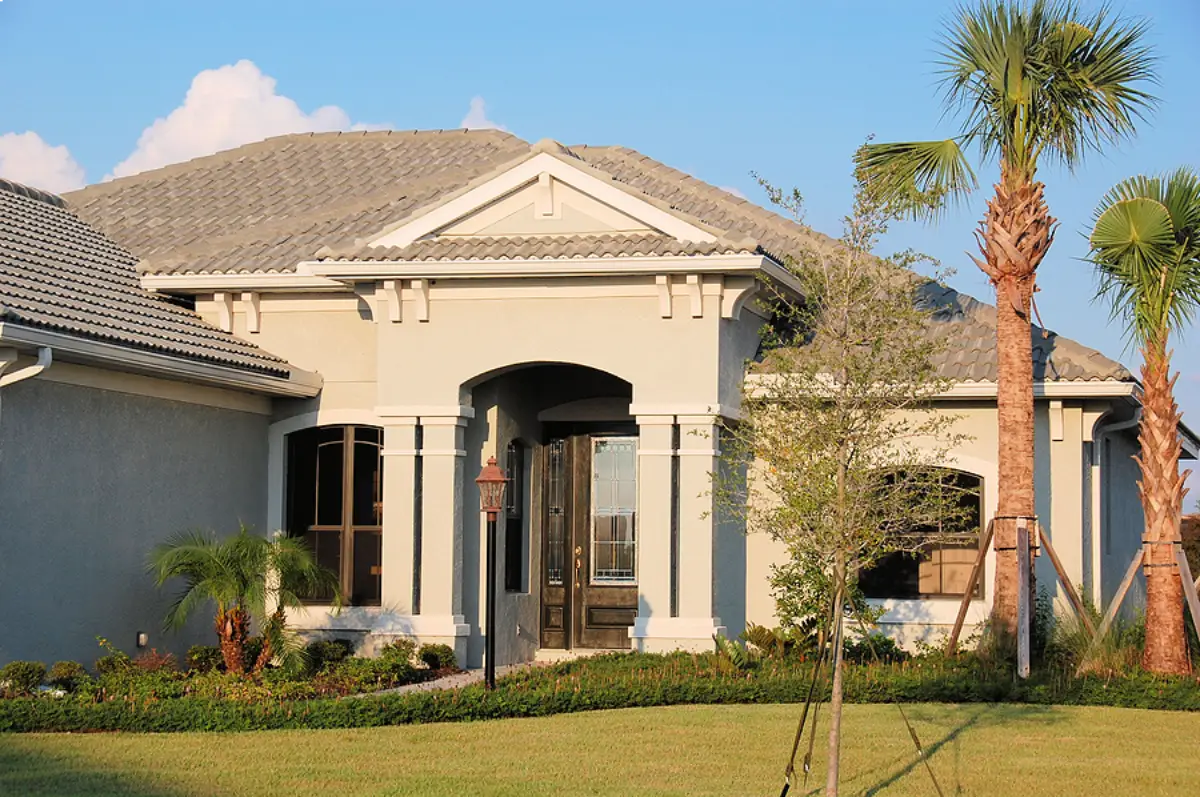
In New Orleans, foreclosure deal insights can be the difference between buying a property that stays calm, and buying one that demands constant attention. For strictly residential owners, single-family homes often deliver that calmer experience because they reduce shared-living friction, keep maintenance contained, and attract renters who want to settle in for longer stretches. The goal isn’t perfection, it’s predictability, and detached homes tend to support it.
This guide breaks down why single-family rentals frequently perform well in New Orleans, and how PMI New Orleans helps owners turn that structural advantage into consistent results.
Key Takeaways
- Single-family homes often reduce conflict and service requests by removing shared spaces.
- Outdoor space and room to spread out can improve renewals in New Orleans neighborhoods.
- Pricing flexibility is stronger when your rental competes by block and features.
- Repairs and budgeting are usually simpler when systems serve one household.
- PMI New Orleans keeps residential operations consistent from leasing through renewal.
New Orleans renter demand favors space and autonomy
New Orleans renters aren’t one-size-fits-all, yet many households share a few priorities: privacy, storage, parking, and a sense of neighborhood routine. Single-family homes line up with those needs, which tends to make leasing smoother and retention stronger.
A broader market signal that supports detached housing
Detached housing continues to show staying power across the U.S. market, with the median existing single-family home price hitting $426,800 in the third quarter of 2025. While New Orleans has its own pricing dynamics, that national demand often mirrors what renters value locally, more space and more independence.
Practical takeaways for your rental
When a property matches how a household wants to live, you tend to get fewer mismatched applicants, fewer early departures, and a better shot at renewals that don’t require heavy incentives.
Privacy cuts down on tenant conflicts
Single-family homes remove a common cause of ongoing disputes: shared living. In multi-unit settings, tenant experience can be shaped as much by neighbors as by the unit itself.
Fewer shared-space complaints
No shared walls, no hallway arguments, no “who left that there” conversations in common areas. With fewer overlapping lifestyles, there are fewer conflict triggers that become management problems.
Cleaner accountability when issues arise
When one household occupies the property, it’s typically easier to identify what happened, what needs repair, and who needs to take action. That clarity speeds decisions and reduces back-and-forth.
Outdoor living that supports renewals
Outdoor space matters in New Orleans, where people value porches, patios, and yards as everyday living space. Single-family rentals often provide it by default.
Everyday comfort renters pay for
A private yard or outdoor seating space gives tenants room to decompress, host friends, or set up routines that feel personal. That “this fits my life” feeling is often what makes a tenant renew.
Pet-friendly living with fewer headaches
Many renters with pets prefer single-family homes because outdoor space helps keep pets exercised and calm. When we set expectations clearly in the lease, pet-friendly demand can stay profitable and manageable.
Layout flexibility keeps tenants from outgrowing the home
One of the strongest retention drivers is a floor plan that can handle change. Single-family homes often have the room to adapt when life shifts.
Rooms that can change purpose
A spare bedroom can become an office, a bonus space can become a playroom, and a dining nook can become a study area. These small shifts can extend a tenancy because the household doesn’t have to move when routines evolve.
Features that show up in applications
Renters commonly look for practical advantages such as storage, laundry space, driveway parking, and separated living areas. Single-family homes check these boxes more consistently than many higher-density options.
Pricing strength comes from neighborhood competition
Single-family rentals usually compete against other homes in the immediate area, rather than identical units within the same building. That changes how pricing pressure shows up.
More flexibility in how you position rent
You can price based on block-level demand, condition, lot size, and upgrades. That helps owners avoid the “unit-by-unit discount spiral” that can happen when multiple vacancies hit at once.
Rent trends reinforce the premium
Zillow has reported single-family rents running 20% higher than multifamily rents. For New Orleans owners, the takeaway is simple: when the home is well-positioned and well-managed, renters often pay more for privacy and space.
Maintenance planning stays clearer without shared systems
Repairs happen everywhere, yet single-family homes often keep repairs more predictable because the systems serve one household.
Contained repairs are easier to schedule
If an HVAC unit fails, it affects one tenant. If plumbing needs work, it stays within one property. You’re not coordinating access across multiple households or handling stacked complaints from shared infrastructure.
Budgeting gets easier with better tracking
Owners who set up clean bookkeeping tend to make faster decisions on maintenance timing and scope. Our portfolio planning tips can help owners build a structure that supports predictable upkeep and long-term performance.
Here are a few common stress points that single-family owners typically avoid:
- Shared-system repairs that require coordinating access across multiple units
- Common-area lighting and amenity issues that create repeated complaints
Insurance shifts and local realities
New Orleans owners also have to think about property risk, coverage, and what’s changing in the insurance landscape. Detached homes can simplify liability considerations, yet coverage still needs a deliberate approach.
Why staying current matters
Insurance changes can impact cash flow and renewal planning. Our guide on insurance changes 2025 highlights what local owners should track so costs don’t catch you off guard.
Operational standards reduce preventable surprises
Clear lease language, regular inspections, and well-documented maintenance reduce avoidable risk. That helps keep claims less frequent and documentation stronger if something does happen.
Entry and growth that fits residential owners
Single-family homes can be a practical entry point for owners who want to scale without taking on complex building operations.
Growth that stays under control
Buying one home, stabilizing it, then adding another is a common approach. That strategy works best when each purchase aligns with a defined plan, especially when you’re tracking performance across multiple properties.
Strategy helps you avoid expensive mistakes
New Orleans has micro-markets where street-by-street differences matter. Our local investing tips are a useful guide for owners who want to match property choice with renter demand and realistic operating costs.
Where “special” homes can shine in New Orleans
Some owners assume single-family rentals have to be basic. In New Orleans, unique homes can create strong demand, as long as they’re priced and maintained correctly.
When higher-end features pay off
Architectural character, updated interiors, and premium locations can attract tenants who value quality and are willing to commit longer. If that’s part of your strategy, our look at luxury homes guide can help you evaluate what renters in that segment expect.
FAQs about Single Family Homes in New Orleans, LA
How do single-family homes compare to apartments for long-term renters in New Orleans, LA?
Single-family homes often feel more permanent due to privacy, outdoor access, and neighborhood integration. Renters who plan to stay longer typically prefer homes that support routines, storage needs, and quieter daily living without shared-building limitations.
What features make single-family rentals more appealing in New Orleans neighborhoods?
Features like covered porches, off-street parking, fenced yards, and flexible interior layouts stand out. These elements support local lifestyle habits and help renters feel connected to the home rather than treating it as a temporary stop.
Are single-family homes easier to manage during tenant turnover in New Orleans, LA?
Turnovers are often more straightforward because there are no shared systems to reset or common areas to prepare. This can shorten make-ready timelines and reduce coordination compared to properties with multiple units or shared amenities.
How does New Orleans weather affect single-family rental ownership?
Humidity, heat, and seasonal storms can impact exterior materials and HVAC systems. Owners who plan preventative maintenance and inspections tend to avoid emergency repairs while protecting tenant comfort throughout the year.
What role does location play in single-family rental demand across New Orleans, LA?
Demand varies block by block based on access to transit, schools, and local amenities. Homes in well-connected neighborhoods often attract tenants seeking stability, which supports stronger leasing outcomes and more predictable occupancy.
A More Confident Way Forward for New Orleans Owners
Consistency matters more than flash when you’re building a residential portfolio that lasts. Detached homes tend to reward owners who prioritize stability, clear expectations, and properties that work with tenant lifestyles rather than against them. Over time, that approach reduces friction and keeps performance easier to manage.
At PMI New Orleans, we work exclusively with residential rentals, helping owners turn strong properties into dependable income producers. Start building a smarter plan by connecting with us and see how a focused strategy can support better outcomes across every lease cycle.
